Running a successful restaurant in Worcester takes more than great food and excellent customer service. Cleanliness, compliance, and food safety all play a major role in protecting your reputation and keeping customers returning. One of the biggest threats to any food business is a pest infestation.
From rats and mice to cockroaches and flies, pests can quickly damage a restaurant’s reputation, lead to failed hygiene inspections, and even force temporary closures. In busy restaurant environments where food, warmth, and moisture are constantly present, pest prevention should always be a priority.
According to guidance from the UK Food Standards Agency (FSA), food businesses must take effective measures to control pests and prevent contamination as part of their food safety management procedures.
Why Pest Control Matters for Worcester Restaurants
Restaurants, cafés, pubs, takeaways, and commercial kitchens naturally attract pests because they provide easy access to food and shelter. Worcester’s combination of historic buildings, riverside locations, and busy hospitality areas can increase the risk of infestations if preventative measures are not in place.
Even a small pest problem can create major consequences, including:
- Damage to your food hygiene rating
- Negative online reviews
- Food contamination risks
- Loss of customer trust
- Financial losses from wasted stock
- Potential enforcement action from Environmental Health Officers (EHOs)
Industry guidance highlights that pests can contaminate food through droppings, hair, urine, and bacteria spread across preparation areas.
In today’s digital world, one customer spotting a mouse or cockroach can quickly become a viral social media issue. Maintaining strong pest control procedures is no longer optional — it is essential for business survival.
Common Restaurant Pests in Worcester
Rodents
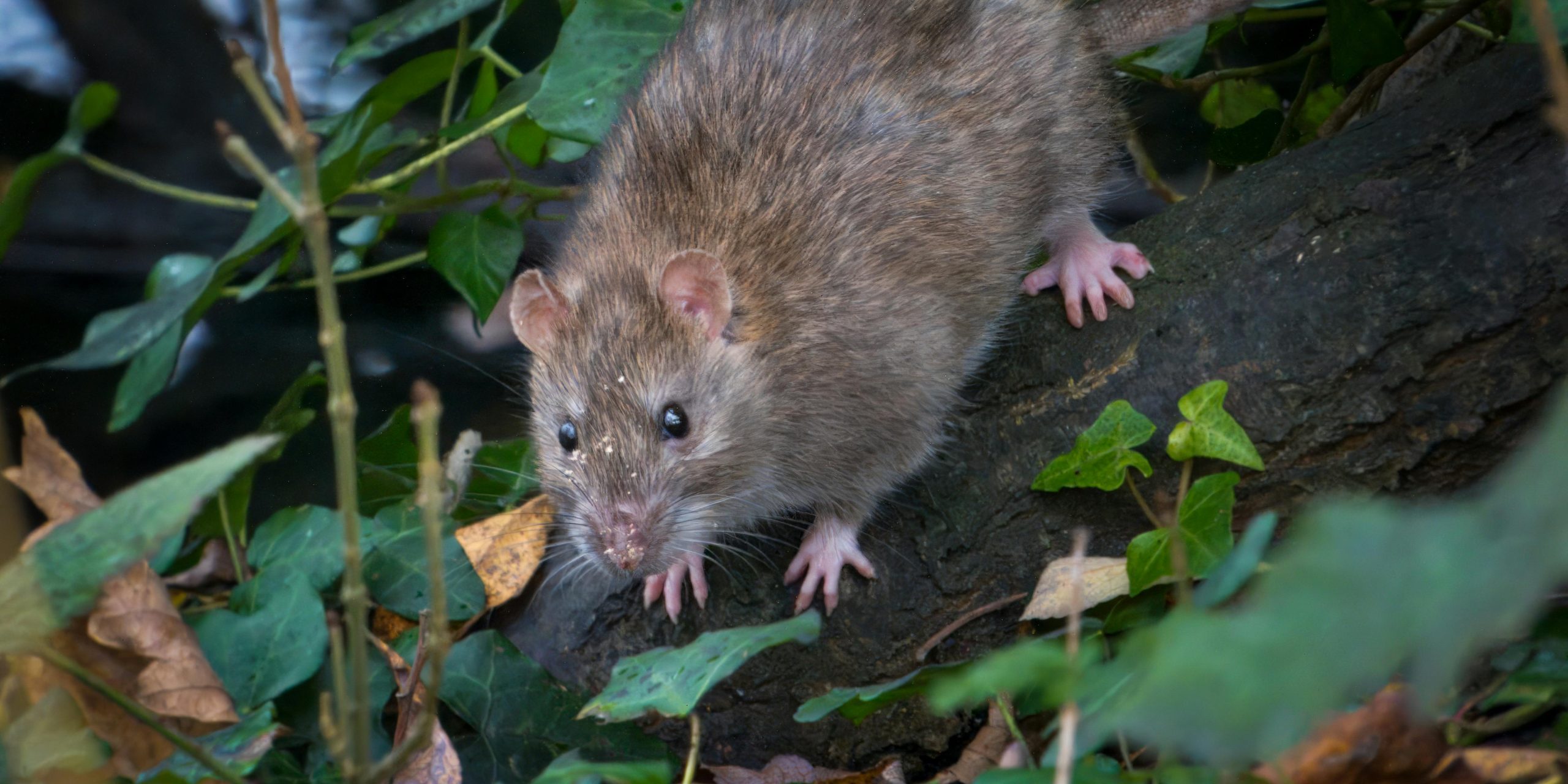
Rats and mice are among the most common restaurant pests in the UK. They are attracted to food waste, poorly stored ingredients, and hidden nesting areas behind kitchen equipment.
Mice can squeeze through gaps as small as 6mm, while rats only need a slightly larger opening to gain access. Once inside, they can contaminate food storage areas and damage electrical wiring, packaging, and insulation.
Cockroaches
Cockroaches thrive in warm, humid kitchens and often hide behind appliances, drains, and storage units. Because they are mostly active at night, infestations can go unnoticed until the problem becomes severe.
These pests are especially dangerous in food environments because they can spread bacteria across preparation surfaces and stored ingredients.
Flies
Flying insects are a major issue during warmer months, especially for restaurants with outdoor dining or frequent door access. Flies can contaminate food preparation areas and quickly damage customer confidence.
Installing fly screens and maintaining proper waste management are important steps in reducing fly activity.
Stored Product Insects
Beetles, moths, and weevils can infest dry food products such as flour, rice, grains, and spices. Infestations often begin through contaminated deliveries and spread rapidly through storage areas if products are not rotated correctly.
How Worcester Restaurants Can Prevent Pest Problems
The best pest control strategy is prevention. Restaurants should combine good hygiene practices with regular inspections and professional support.
Key prevention measures include:
Maintain Excellent Cleaning Standards
Food debris and grease buildup attract pests quickly. Kitchens, storage areas, drains, and waste zones should be cleaned thoroughly every day.
The Food Standards Agency recommends regular cleaning and disinfection of food preparation areas, touch points, and equipment to reduce contamination risks.
Store Food Correctly
Dry goods should be stored in sealed containers and rotated regularly. Refrigerated items must be checked frequently, and damaged packaging should never be left in storage areas.
Seal Entry Points
Small structural gaps around pipes, doors, vents, and drains provide easy access for rodents and insects. Worcester restaurants, especially older properties, should routinely inspect their premises for potential entry points.
Guidance from Worcestershire Regulatory Services recommends sealing gaps, fitting door bristle strips, and installing insect-proof mesh where necessary.
Train Staff Properly
Staff should know how to identify early signs of infestation, including droppings, gnaw marks, damaged packaging, unusual smells, or dead insects.
Early reporting can prevent a minor issue from becoming a major infestation.
Arrange Professional Pest Control
While some businesses attempt DIY pest control, professional commercial pest management is strongly recommended for restaurants and food premises. Professional technicians can identify hidden risks, monitor activity, and provide documentation for inspections.
Pest Control and Food Hygiene Inspections
Environmental Health Officers assess pest control during food hygiene inspections. Poor pest management can negatively affect hygiene ratings and, in serious cases, result in enforcement action.
Industry discussions from food safety professionals highlight that uncontrolled pests are viewed as a serious health risk during inspections.
Restaurants should maintain clear pest control records, inspection reports, and evidence of corrective action as part of their HACCP-based food safety systems.
Final Thoughts
For restaurants in Worcester, pest control is about far more than eliminating insects or rodents. It is about protecting customers, safeguarding your reputation, and ensuring your business remains compliant with food safety regulations.
By investing in preventative pest management, maintaining high hygiene standards, and working with experienced pest control professionals, restaurant owners can reduce risks and focus on what matters most — delivering excellent food and service.
In a competitive hospitality industry, a clean and pest-free restaurant helps build trust, improve hygiene ratings, and create a safer dining experience for every customer.*
Written with AI