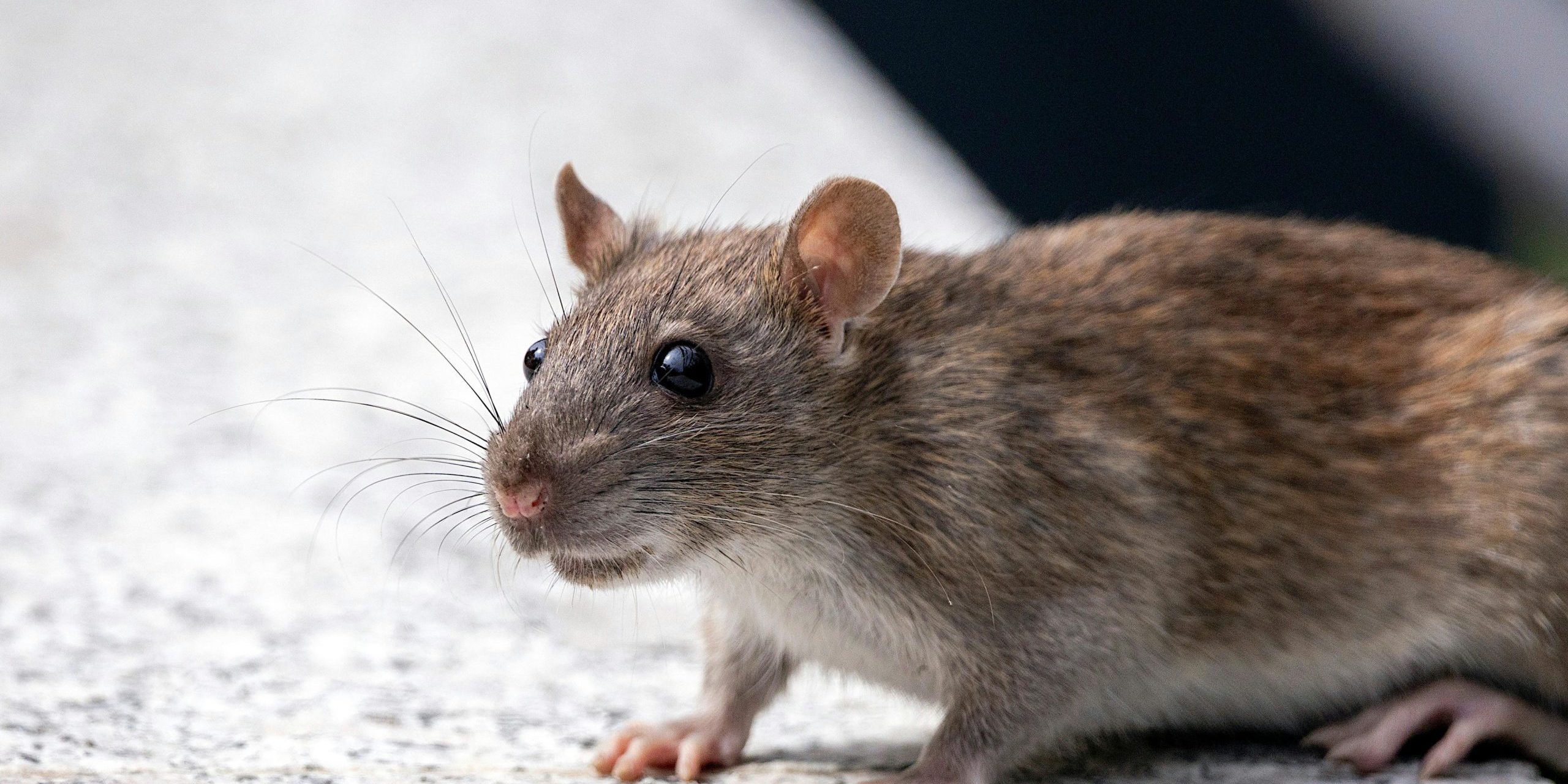
Rats are one of the most common household pests, and a rat infestation can quickly become a serious problem if not addressed early. These rodents are not only destructive but can also pose health risks to homeowners. Understanding how to identify, prevent, and control rats in houses is essential for maintaining a safe and hygienic living environment.
One of the first signs of a rat problem is the presence of droppings, scratching noises, or gnaw marks around the home. Rats are nocturnal animals, so many homeowners hear activity at night, particularly in attics, walls, or under floorboards. Other common indicators include shredded materials used for nesting, greasy rub marks along walls, and damage to food packaging or wiring. Early detection is critical because rats reproduce quickly and a small problem can turn into a large infestation within weeks.
Rats are attracted to houses primarily because of food, water, and shelter. Kitchens, basements, garages, and loft spaces are especially appealing to them. Open food containers, pet food left out overnight, overflowing bins, and unsealed rubbish can all attract rodents. Even small crumbs or spills can encourage rats to return repeatedly.
Effective rat pest control begins with prevention and proofing the property. Sealing entry points is one of the most important steps. Rats can squeeze through surprisingly small gaps, often as little as 2 cm wide. Homeowners should inspect foundations, vents, rooflines, and pipe openings to ensure there are no accessible holes or cracks. Using materials such as metal mesh or steel wool can help block potential entry points.
Maintaining good sanitation is another key part of rat control. Storing food in sealed containers, cleaning kitchen surfaces regularly, and keeping waste bins tightly closed can significantly reduce the chances of attracting rodents. Outdoors, trimming vegetation near the house and removing clutter can eliminate hiding spots that rats use before entering a property.
If rats have already entered the home, traps and professional pest control services may be necessary. Snap traps, electronic traps, and bait stations are common methods used to reduce rat populations. However, severe infestations are often best handled by professional pest control specialists who can identify nesting sites and implement targeted treatments safely.
Rat pest control is most effective when homeowners combine prevention, sanitation, and active removal strategies. By acting quickly and maintaining a clean, well-sealed home, it is possible to stop rats from becoming a long-term problem and protect both the property and the health of everyone living in it.