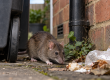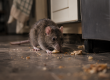

Rats in the garden can quickly become a serious problem for homeowners across Warwickshire. These pests damage plants, contaminate outdoor areas, chew through structures, and may even spread disease. Whether you live in a rural village, suburban neighbourhood, or countryside property, understanding how to identify and control rats is essential for maintaining a safe and healthy garden.
In this guide, we’ll cover everything you need to know about rat pest control in gardens in Warwickshire, including common signs of infestation, why rats are attracted to gardens, prevention tips, and the best treatment options available.
Why Rats Are a Problem in Warwickshire Gardens
Warwickshire’s mix of rural landscapes, farms, residential estates, and waterways creates the ideal environment for rats to thrive. Brown rats are the most common species found in UK gardens and are particularly active around homes with easy access to food and shelter.
Rats often enter gardens searching for:
- Bird seed and pet food
- Compost bins
- Overgrown vegetation
- Water sources
- Garden sheds and decking
- Waste bins
Once established, rats breed rapidly, meaning a small issue can quickly become a large infestation.
Common Signs of Rats in Your Garden
Spotting rat activity early is key to preventing serious infestations. Here are the most common warning signs homeowners in Warwickshire should look for:
1. Rat Droppings
Rat droppings are dark brown, capsule-shaped, and typically around 15–20mm long. They are commonly found near compost bins, sheds, and feeding areas.
2. Burrows in the Soil
Rats dig burrows along fences, beneath decking, and around garden structures. Fresh soil around holes is a strong indicator of activity.
3. Gnaw Marks
Rats constantly gnaw to keep their teeth trimmed. You may notice damage to wood, plastic containers, cables, or garden furniture.
4. Scratching Noises
If rats move into sheds or under decking, scratching or scurrying sounds are often heard at night.
5. Grease Marks and Tracks
Rats leave dark smear marks along walls and fences due to oils on their fur.
What Attracts Rats to Gardens?
Understanding why rats are visiting your garden helps prevent future infestations. Common attractants include:
Accessible Food Sources
Bird feeders are one of the biggest causes of rat problems in UK gardens. Spilled seed provides an easy meal. Compost heaps containing food scraps also attract rodents.
Shelter and Nesting Areas
Overgrown shrubs, wood piles, cluttered sheds, and dense vegetation provide ideal hiding spots.
Water Availability
Leaking taps, ponds, and standing water offer rats the hydration they need to survive.
How to Prevent Rats in Your Warwickshire Garden
Prevention is always more effective and affordable than dealing with a full infestation. Here are the best ways to keep rats away from your garden:
Keep Gardens Tidy
Regularly trim vegetation, remove garden waste, and avoid leaving clutter where rats can hide.
Secure Compost Bins
Use sealed compost bins and avoid composting meat, dairy, or cooked food.
Manage Bird Feeders Carefully
Use catch trays beneath bird feeders and clear away fallen seed daily.
Protect Sheds and Decking
Seal gaps and holes around garden structures to prevent nesting.
Store Waste Correctly
Ensure bins have tight-fitting lids and are emptied regularly.
Professional Rat Pest Control in Warwickshire
While DIY methods may help with minor issues, professional pest control services are often the most effective solution for established infestations.
Experienced pest control technicians can:
- Identify entry points
- Locate nests and burrows
- Use safe and effective treatments
- Provide long-term prevention advice
- Monitor ongoing activity
Professional pest control is especially important when rats are entering homes from the garden or breeding rapidly.
Effective Rat Control Methods
Rat Bait Stations
Tamper-resistant bait stations are commonly used to control outdoor rat populations safely.
Trapping
Professional-grade traps can be highly effective when strategically placed.
Proofing and Exclusion
Blocking access points is essential to prevent reinfestation.
Habitat Reduction
Removing food, water, and shelter sources makes gardens less attractive to rats.
Why Choose Local Warwickshire Pest Control Experts?
Hiring a local pest control company in Warwickshire offers several benefits:
- Fast response times
- Knowledge of local rat activity trends
- Familiarity with rural and urban environments
- Ongoing support and maintenance plans
Local professionals understand the unique pest challenges faced by Warwickshire homeowners and businesses.
Are Rats Dangerous?
Yes, rats can pose health and safety risks. They may carry bacteria and diseases, contaminate surfaces, and damage property through chewing and burrowing.
Potential risks include:
- Food contamination
- Damage to electrical wiring
- Structural damage to sheds and decking
- Spread of bacteria through droppings and urine
For families with children or pets, prompt action is highly recommended.
Seasonal Rat Activity in Warwickshire
Rat infestations can occur year-round, but activity often increases during autumn and winter as rodents search for warmth and shelter.
Gardens become especially vulnerable during colder months when rats seek access to homes, garages, and outbuildings.
Final Thoughts
Rat infestations in gardens are a growing concern for many homeowners in Warwickshire. Early detection, proper garden maintenance, and professional pest control services are the best ways to protect your property from rodents.
By removing food sources, securing garden structures, and acting quickly at the first sign of activity, you can keep your outdoor space safe, clean, and pest-free all year round.
If you suspect rats in your garden, contacting a professional pest control specialist in Warwickshire can help resolve the issue quickly and prevent future infestations. *
*AI produced written copy